PLAT's purpose is to shift architectural discourse by stimulating new relationships between design, production, and theory. It operates by interweaving student, faculty, and professional work into an open and evolving dialogue which progresses from issue to issue. Curating worldwide submissions in two annual issues, PLAT serves as a projective catalyst for architectural discourse.
PLAT is an independent Architectural Journal published by students at Rice School of Architecture.
Your help is crucial to making this independent student-driven initiative a reality. Any amount is appreciated.
To receive updates about PLAT please sign up for our newsletter.
We’d love to hear from you!
editor@platjournal.com
donations@platjournal.com
publication@platjournal.com
The only place you will ever see us write less than 160 characters.
@PLATjournal

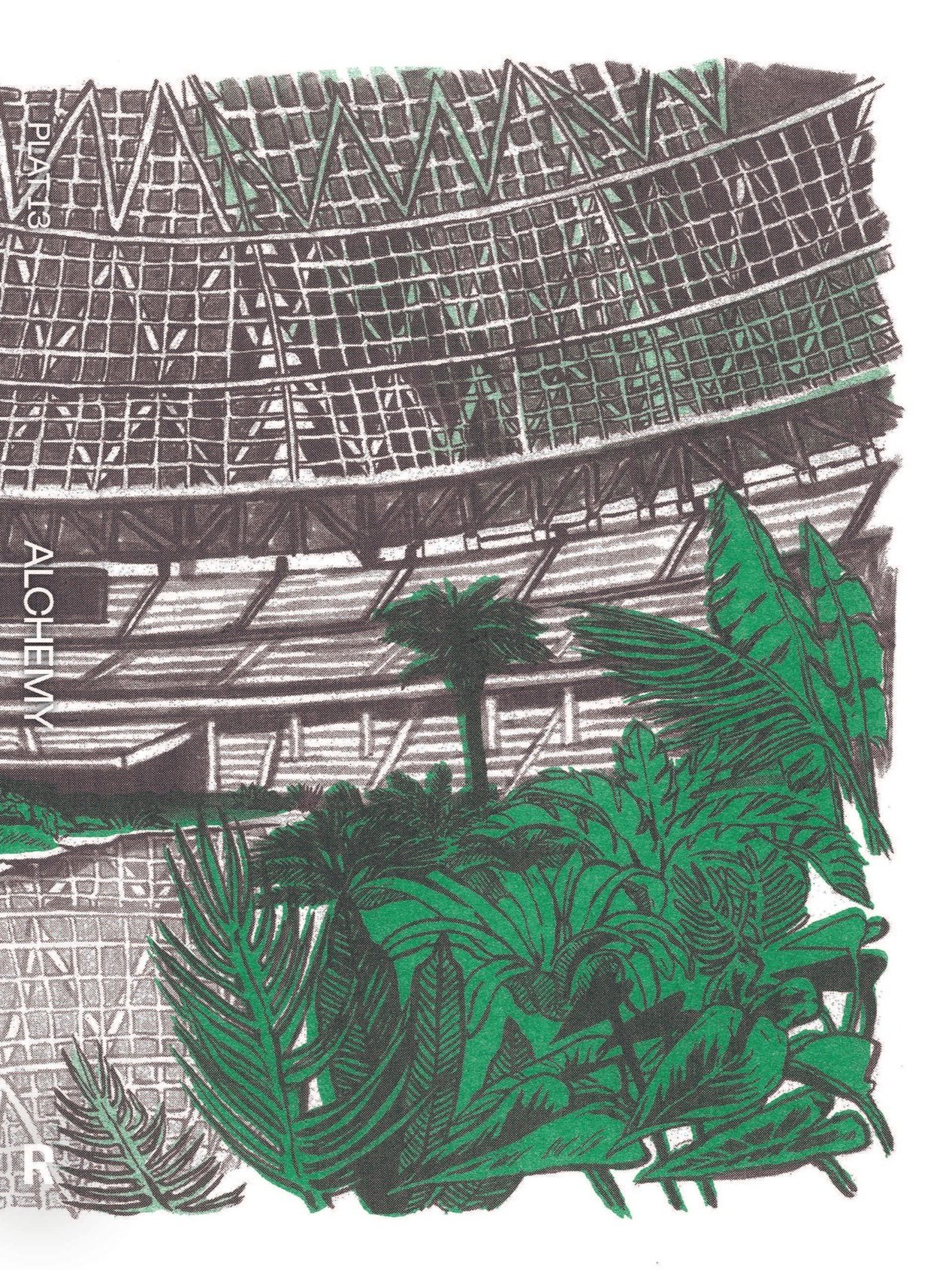
From unforeseen endings come dramatic beginnings. Plat 3.0 invites projects, images, essays, and manifestos, including scholarly papers, photographs, drawings, prints, media projects, and philosophical explorations of the discursive opportunities which emerge in the wake of collective disruption. In a time characterized by rapidly shifting conditions and perpetual crises, contingencies and opportunities to innovate emerge. Such moments lay the ground for radical change. Free from the constraints of the established doctrine, architectural and urban practice find new frontiers where experimentation is not only allowed, but demanded--where breakdown, crisis or destruction produces new, lasting thresholds for architecture. In these moments:
What are the limits of urgency and agency?
Where is the relationship between speed and production?
How do rapid changes in topography, geography, and movement produce new territories for architecture?
When can architecture extend the potentials of the boiling point to make lasting change?
What was yesterday unimaginable is now perfectly plausible, in the call for action embedded in disruption.
Please submit abstracts (see link for submission guidelines below) to curator@platjournal.com by February 14, 2012 for consideration.

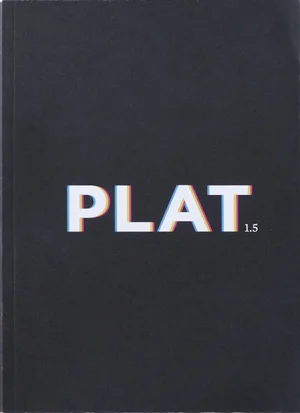
In the call for submissions for PLAT 1.5, we began with a disquieting provocation: what is at stake in the disappearing gap between architectural representation and the buildings it produces? The content we received demonstrated representation’s capacity to transcend its assumed role as a tool for building. But it also revealed another discontinuity, one inherent to representation, which technology cannot close. The various translation processes that are fundamental to architectural representation engender the double discontinuity of gaps and excesses, shortfalls and overlaps. Ideas and agendas never emerge fully intact when drawn, but—equally—the implications of a drawing always exceed this intent.
![]()
This acknowledgement prompts reconsideration of the context and subtext of representation. For example, when the plan, section, and detail are released from their role as documents for producing a building, to what new agendas do they find themselves accomplice? What are the subjective biases inherent in the process of selecting and organizing data into infographics or maps? How do the conventions of the contemporary diagram obscure or emphasize its narrative implications? What does the rhetoric of a rendering—the affect, atmosphere, and lifestyles it describes—suggest about the changing relationship between architecture and its public?
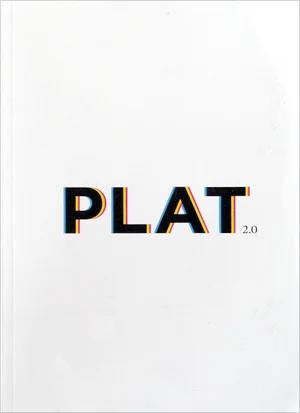
PLAT 2.0 will illuminate the cultural, political, and social milieu in which architecture operates, as well as the agendas it pursues, through critical analysis and playful subversion of the potentials and limits of representation.

The first full issue of PLAT is a survey of characters, practices, and conditions of the Impostor in architecture. Through essays, projects, drawings and interviews, PLAT 1.0 interrogates notions of real and fake, putting forth an interpretation of architecture's tendency toward interdisciplinarity. PLAT brings the work of the Rice School of Architecture together with a broad range of faculty, students and practitioners throughout the world.
The impostor is most conventionally a character—one who passes herself off as someone other than she really is. As a collection of works, PLAT 1.0 traces the impostor through its manifestations from character to practice. This topic generates a stage for not only the characters that deceive us, but also for the architecture that dupes us. What is it about the character of impostor that applies to architecture, both in practice and in form? Behind the impostor’s artful disguise is a space of innovation. The elegant crimes of the impostor can serve as provocations for architecture, moving the discipline beyond the boundaries of convention.
PLAT 1.0 invites you to stop worrying and learn to love the Impostor.

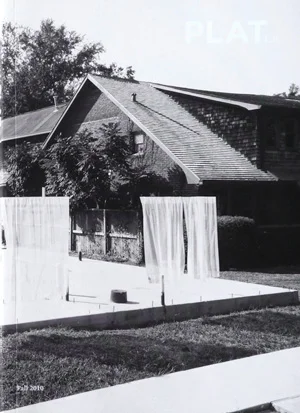
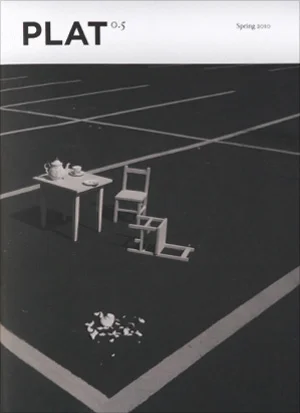
The inaugural issue of PLAT set out to establish a publication that could be at once rigorous and loose. As a platform for the students of Rice University, PLAT 0.5 is a recombination of work 'from the margins' of architectural projects, born from a desire to crystallize salient but oft forgotten moments in our lives and labors as architecture students. The title was chosen for its implications of framing territory: to plat a neighborhood is common practice even today in the vast spaces of Texas, and to us this was fascinating.
![]()
When you're in completely foreign territory, the rules change, and so do the relationships between things. Borrowing from the Dadaist technique of defamiliarization, PLAT 0.5 took advantage of the many meanings of its title to imagine new territories for conceiving of architectural discourse. Rather than rehearsing conversations of infrastructural, ecological, scalar and performative issues, PLAT 0.5 situated representations of varied conditions – architecture, infrastructures, ecologies, regions and cultures themselves – adjacent to one another, letting the relationships between them instigate a discussion on agency and performativity. Priveleging presence over analysis, PLAT 0.5 framed its own parcel within the vastness of the architectural discipline.